Turboramjet
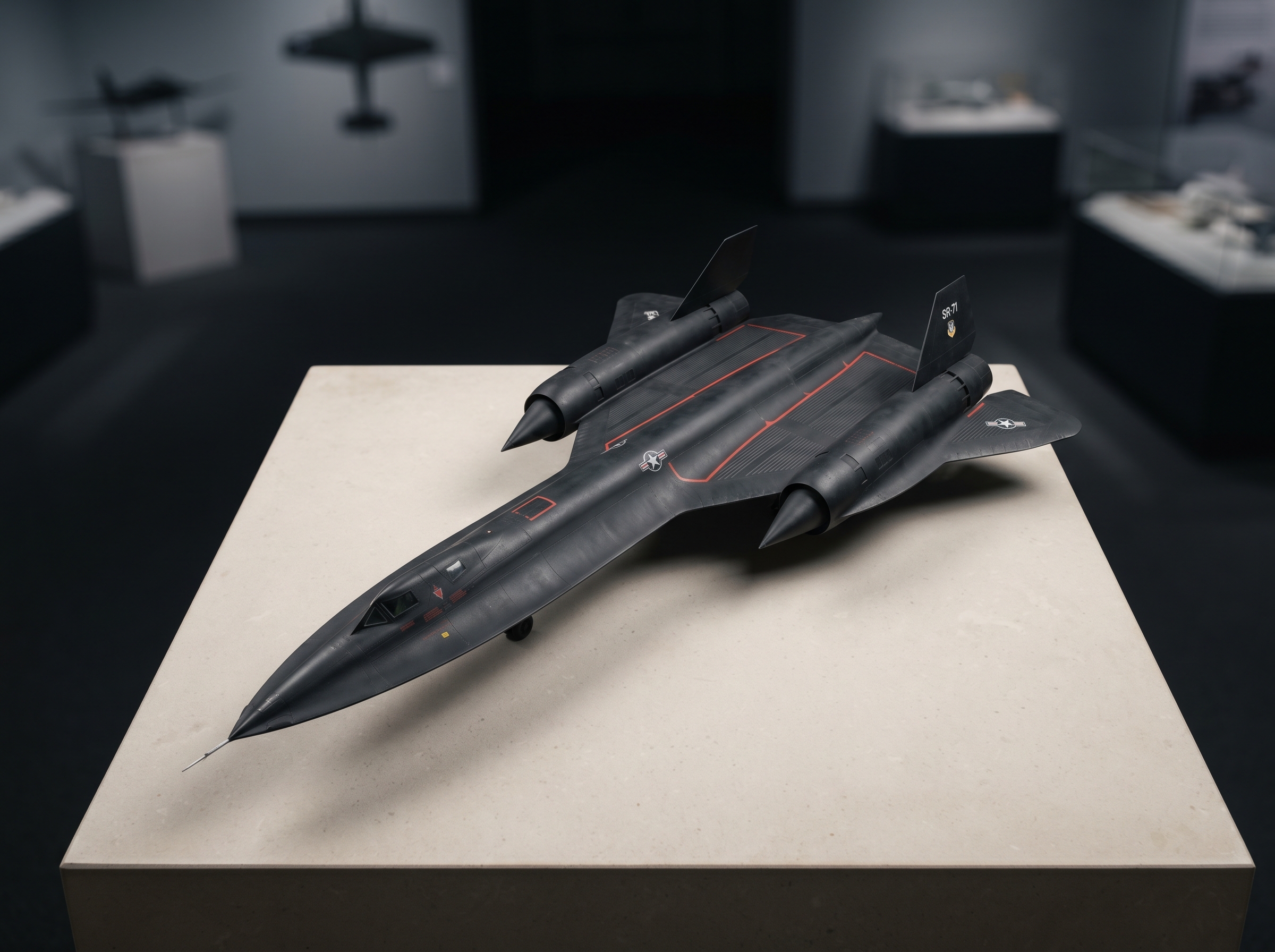
Curated by Novus • Skunk Works Builds the Mach 3 SR-71 Blackbird
Definition
A hybrid jet engine design (such as the J58) that operates as a standard turbojet at subsonic speeds and redirects airflow to act as a ramjet at supersonic speeds.
In Context
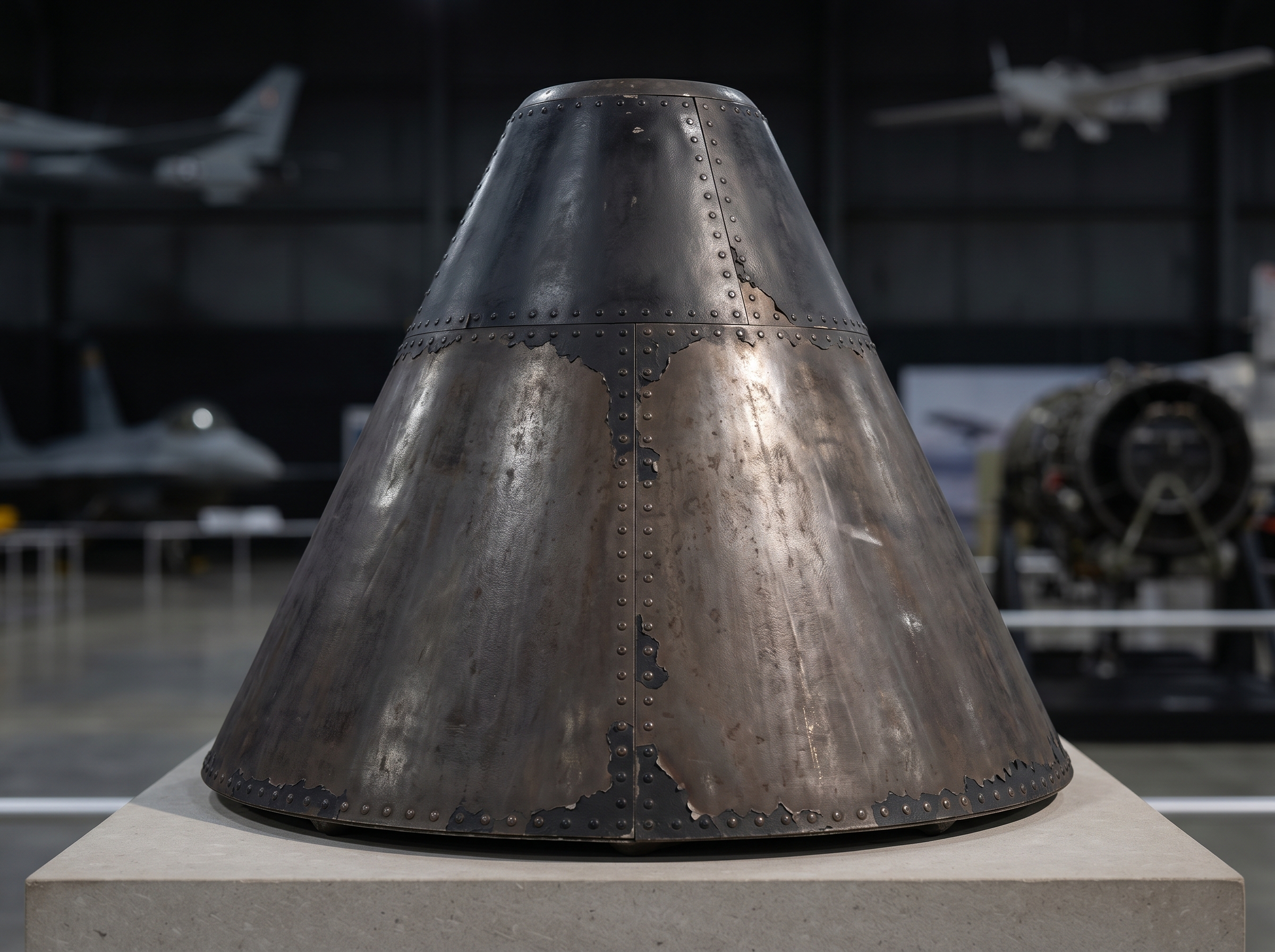
At 2,100 miles per hour, the air entering the front of the engines hit the compressor blades with enough kinetic force to stall the turbines and destroy the machinery. Functioning as a turboramjet, the J58 bypassed standard turbojet limitations. Subsonic air was necessary for combustion, requiring a movable inlet spike to slow the incoming supersonic shockwave.
Primary Source
Skunk Works Builds the Mach 3 SR-71 Blackbird
An analysis of the engineering compromises and material realities required to fly a titanium aircraft at 2,100 mph, treating fuel as a primary heatsink.
Read Study (18 min) →Artifacts
Glossary
- rutile ore
- A mineral composed primarily of titanium dioxide, found in massive deposits within Soviet mines and secretly acquired by the CIA to construct the SR-71.
- corrugated skin
- Ridged titanium wing panels that acted like a metallic accordion, allowing the wing surface to expand and contract longitudinally under extreme kinetic heat.
- triethylborane
- A highly pyrophoric liquid chemical catalyst that ignites spontaneously upon contact with oxygen, used to ignite the high-flashpoint JP-7 fuel.
- jp-7
- A specialized, high-flashpoint hydrocarbon jet fuel developed specifically for the SR-71 to remain stable under Mach 3 heat and act as a primary cooling agent.
- unstart
- The violent, aerodynamic expulsion of a supersonic shockwave from an engine inlet, instantly robbing that side of the aircraft of thrust and causing extreme asymmetrical yaw.