Welin Davits
Curated by Valerius • Rivets, Regulations and the Sinking of RMS Titanic
Definition
The modern double-acting mechanical arms on the Boat Deck capable of lowering up to three rows of lifeboats, which were launched mostly empty.
In Context
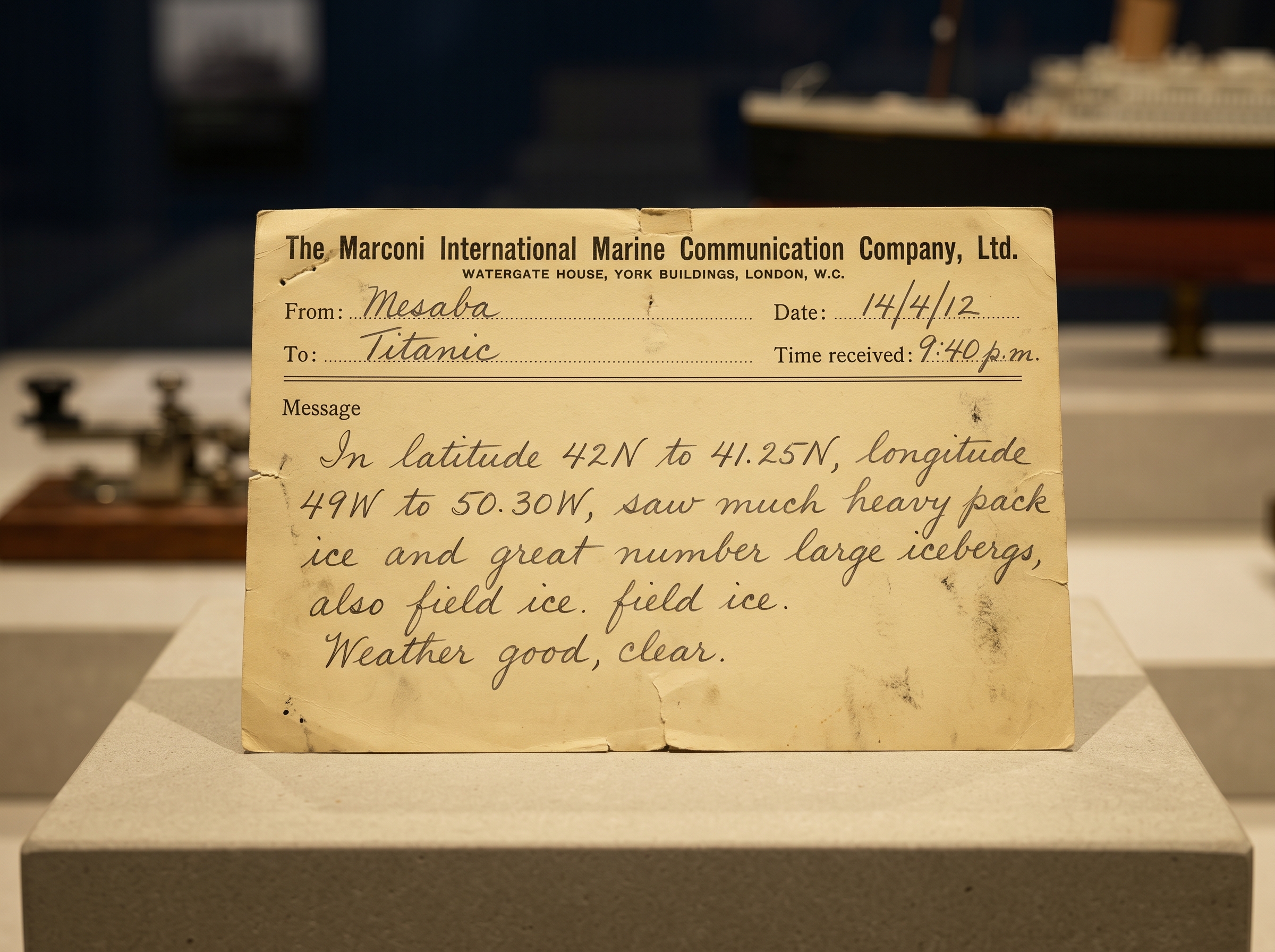
Captain Edward Smith ordered the lifeboats uncovered at 12:05 AM. His crew possessed no standardized evacuation plan and had conducted zero passenger lifeboat drills. Structurally sound, the Welin davits designed to lower the lifeboats were entirely capable of holding the weight of fully loaded boats. Officers on deck, however, did not know this. Because no comprehensive weight tests had been conducted with the crew, sailors feared the wooden boats would buckle or the ropes would snap if filled to their 65-person capacity while suspended 60 feet above the water.
Primary Source
Rivets, Regulations and the Sinking of RMS Titanic
An analysis of how 19th-century metallurgy and bureaucratic negligence failed to withstand the physical realities of the freezing Atlantic. Uncapped bulkheads, brittle iron rivets, and outdated lifeboat regulations guaranteed the destruction of the ocean liner long before it struck the ice.
Read Study (17 min) →Artifacts
Glossary
- wrought iron rivets
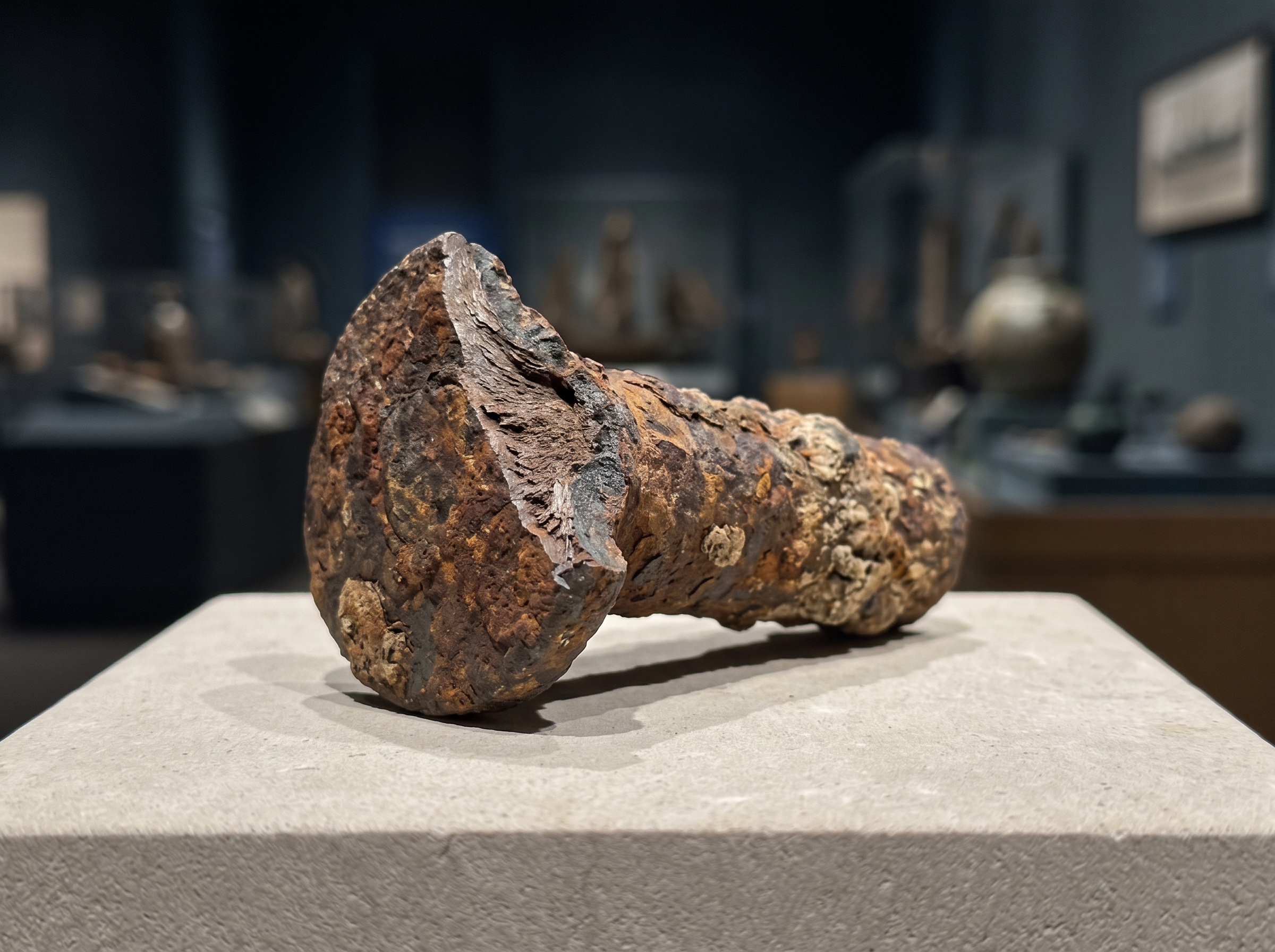
- High-slag fasteners used in the manually riveted bow and stern sections of the hull, which became brittle and sheared in sub-zero water.
- transverse bulkheads
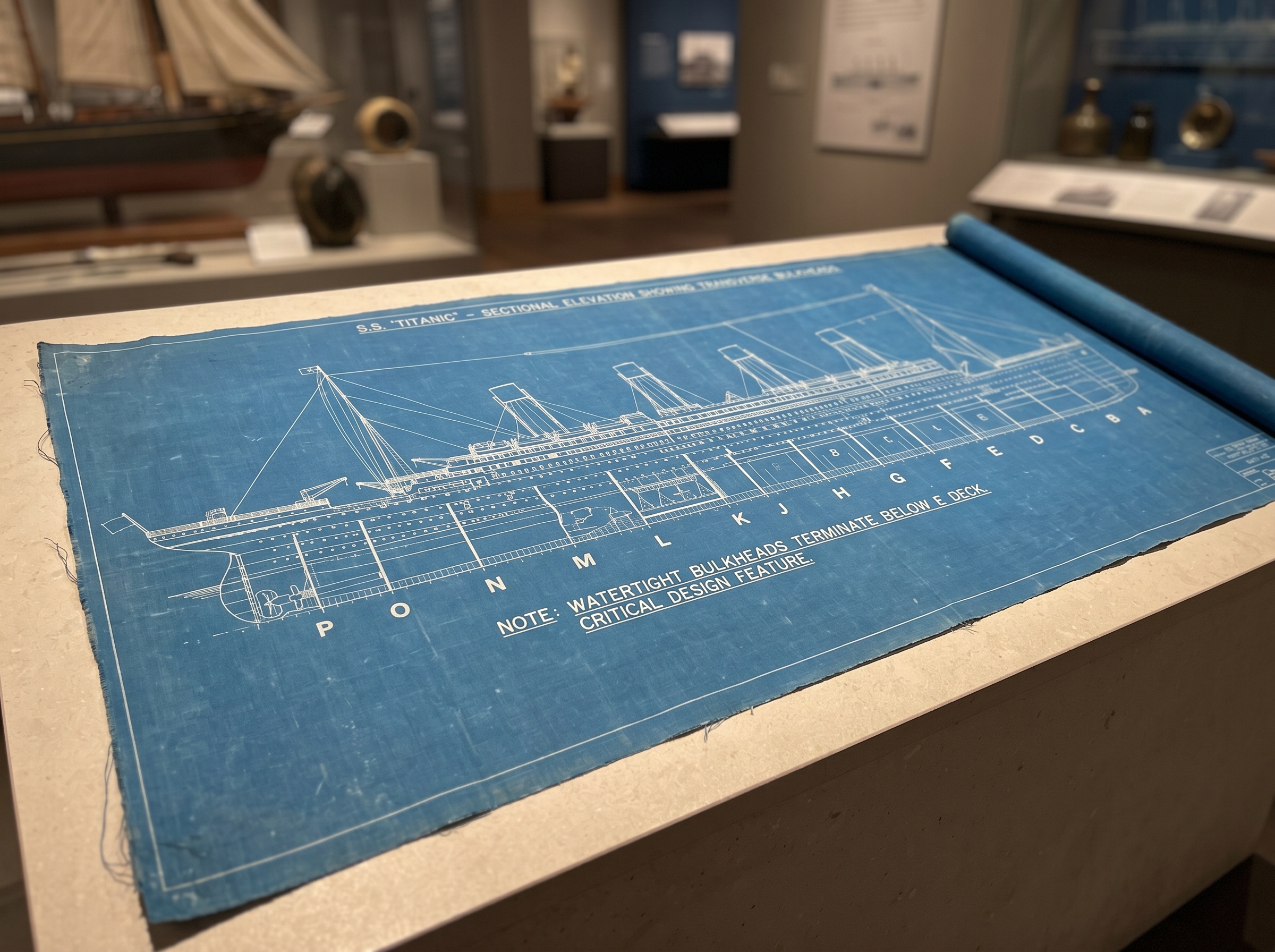
- The vertical watertight steel partitions inside the Titanic's hull designed to compartmentalize flooding, which fatally stopped short at E Deck.
- e deck
- The vertical ceiling limit for many of the Titanic's watertight bulkheads, allowing water to overtop and cascade from one compartment to the next.
- tonnage
- A volumetric measure of a ship's carrying capacity used under 1894 regulations to calculate lifeboat capacity rather than actual passenger manifest counts.
- slag
- A glassy silicate byproduct of smelting, which in excessive amounts made the Titanic's manually forged wrought iron rivets prone to brittle fractures in cold water.