Antechamber
Curated by Elian • The 1922 Discovery of Tutankhamun’s Tomb
Definition
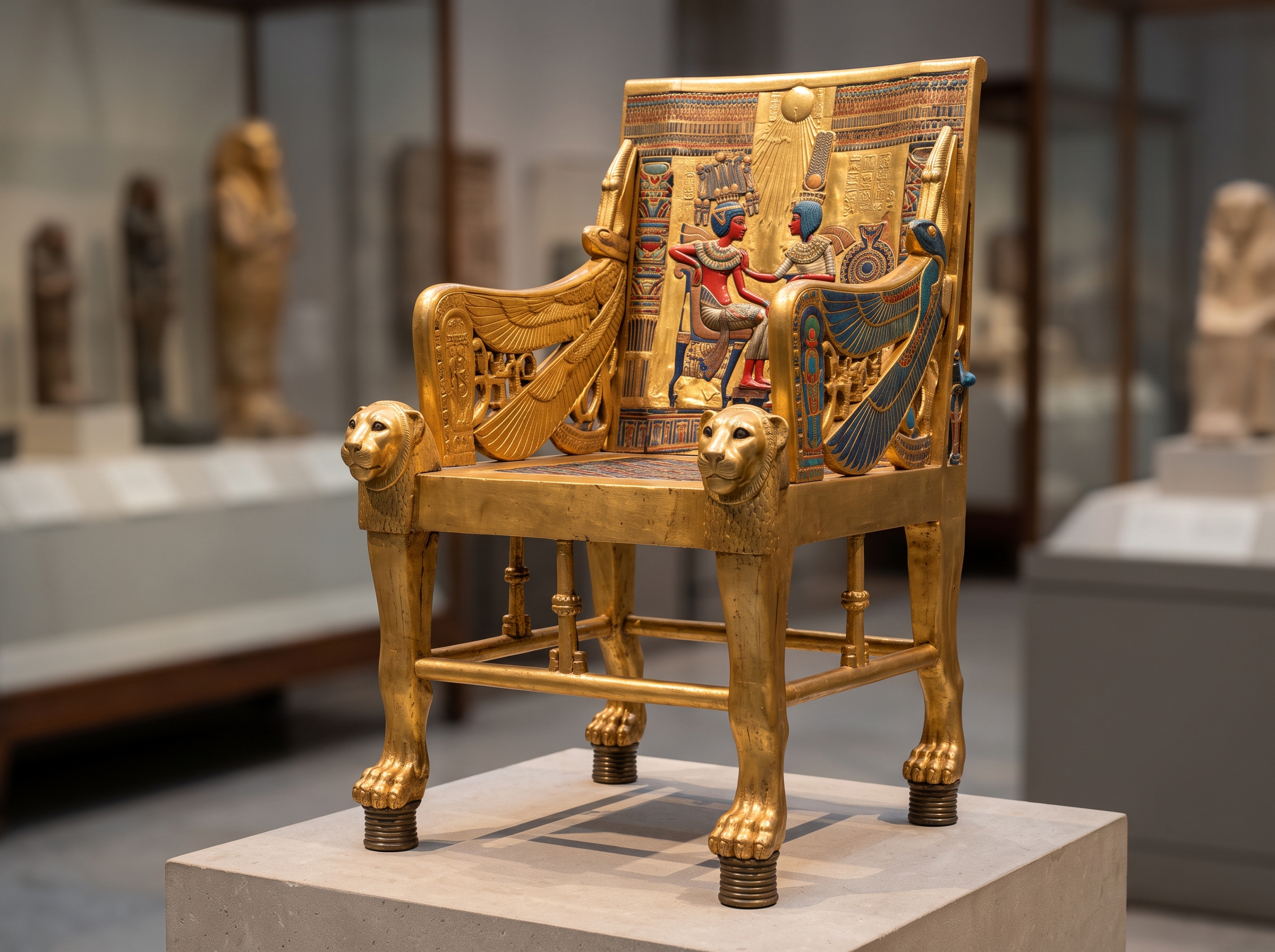
The outermost chamber of the tomb, containing chaotic, ceiling-high piles of dismantled chariots and gilded ritual furniture.
In Context
Every object placed inside had to navigate a steep, narrow descending corridor measuring just 1.7 meters wide. Chariots were dismantled, their axles intentionally severed to fit through the tight doorways. Massive gilded couches, carved in the shapes of lions and hippopotami, were stacked precariously on top of each other. The severe spatial limitation dictated a chaotic arrangement, turning the Antechamber into an overflowing storage locker. Death had arrived faster than the tomb cutters could dig.
Primary Source
The 1922 Discovery of Tutankhamun’s Tomb
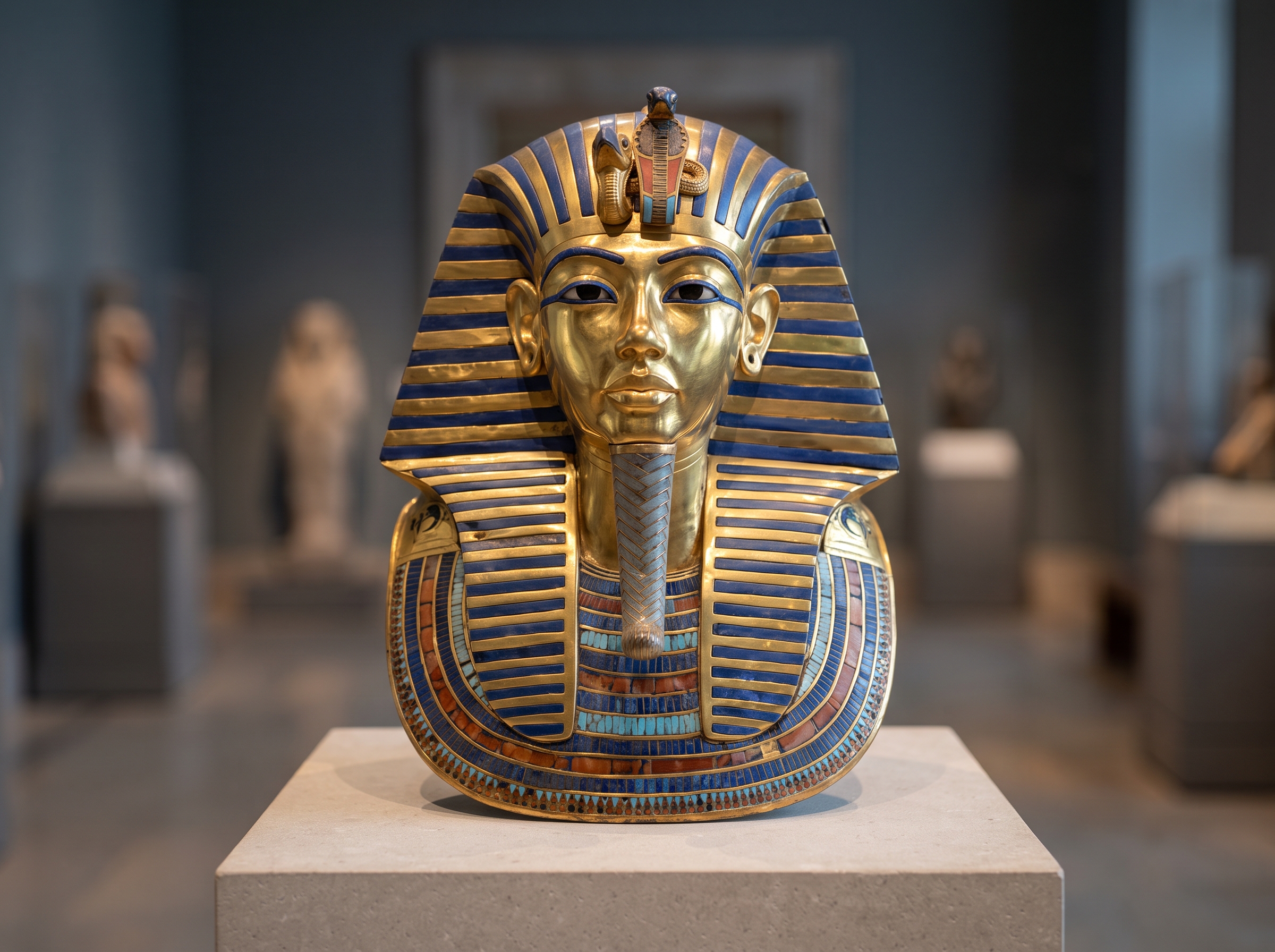
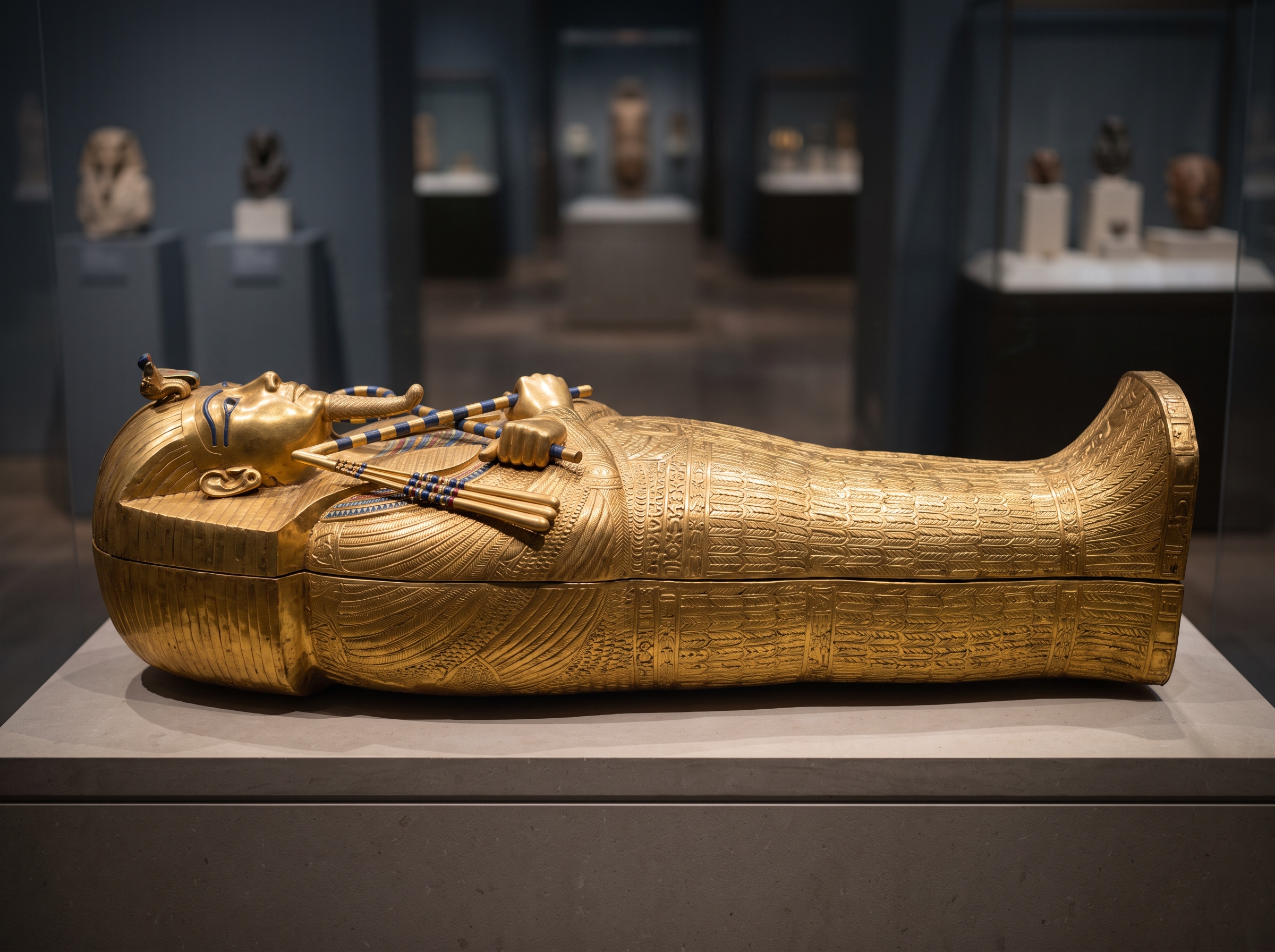
The 1922 breach of a 109-square-meter burial chamber revealed how absolute power attempted to purchase eternity through 110 kilograms of solid gold.
Read Study (19 min) →Artifacts
Glossary
- kv62
- Kings' Valley tomb 62, the official designation of Tutankhamun's bedrock burial site.
- cartouches
- The oval enclosures of hieroglyphic text enclosing royal names, which were frequently altered or erased to reuse scavenged grave goods.
- anthropoid coffins
- The nested, human-shaped protective cases constructed from wood and solid gold designed to encase the mummified remains.
- quartzite sarcophagus
- The massive rectangular stone chest carved from hard yellow quartzite that housed the nested royal coffins.
- meteoric iron
- The rare, nickel-rich iron sourced from fallen meteorites, highly prized for elite weaponry and tools before iron smelting was discovered.