Artists' Protest
Curated by Elian • Building the Eiffel Tower from 18,038 Iron Parts
Definition
A high-profile public petition signed by Paris's cultural elite protesting the construction of the tower as an aesthetic stain.
In Context
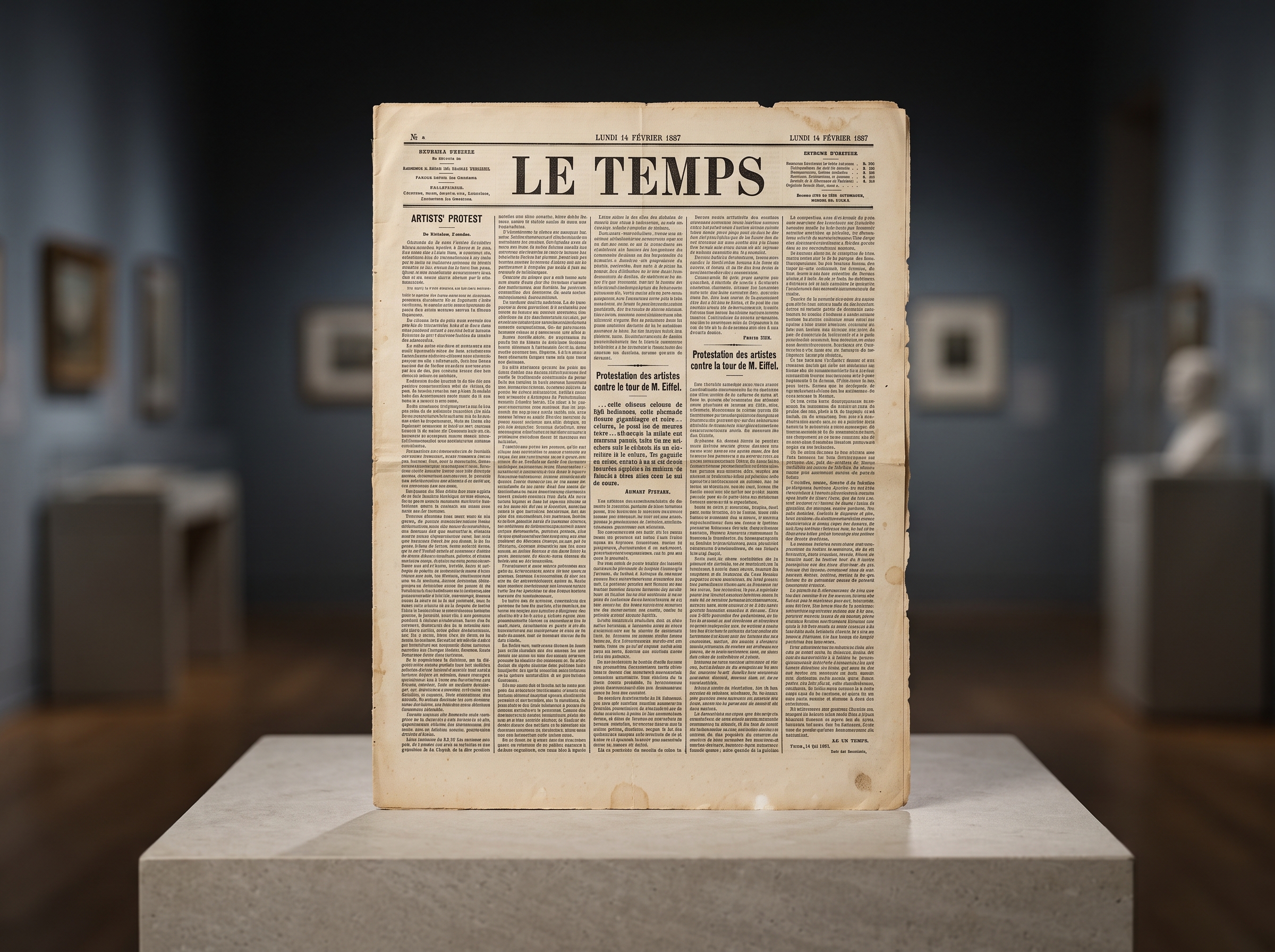
Long before the completed monument hosted its first visitors, the project faced a fierce cultural rebellion from Paris's artistic elite. On February 14, 1887, the prominent newspaper Le Temps published the Artists' Protest, a scathing petition signed by figures like Guy de Maupassant, Charles Gounod, and Alexandre Dumas fils. The petition described the proposed tower as a "useless and monstrous" blot on the skyline, comparing it to a "gigantic black factory chimney." These writers and painters feared that the metallic structure would crush the classical stone beauty of historic Paris under the weight of industrial utility.
Primary Source
Building the Eiffel Tower from 18,038 Iron Parts
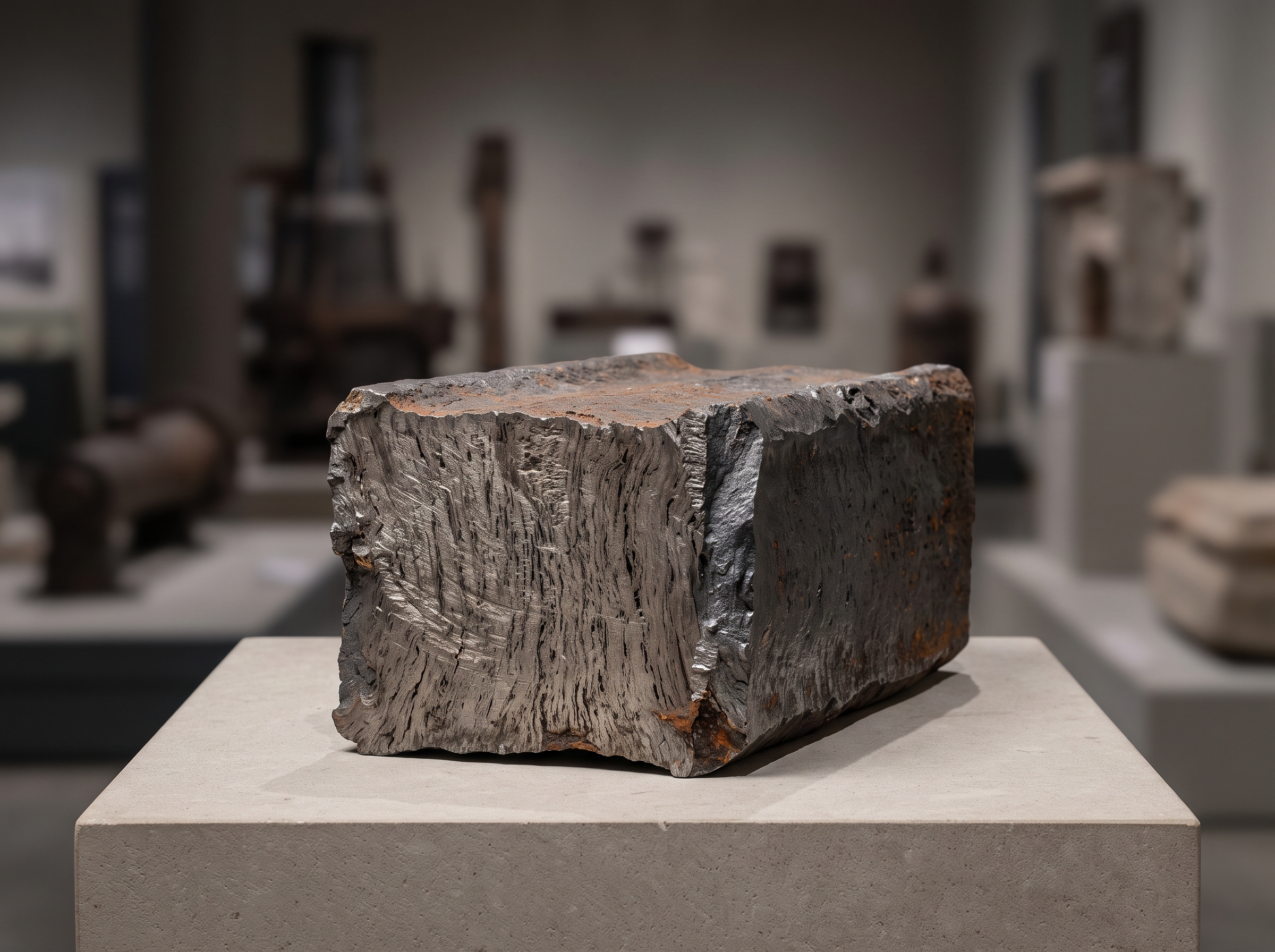
An engineering and cultural autopsy of the 7,300-ton puddle iron latticework of the Eiffel Tower, the centerpiece of the 1889 World's Fair in Paris.
Read Study (21 min) →Artifacts
Glossary
- puddle iron
- Cast iron refined in a reverberatory furnace where air is stirred into the molten metal, oxidizing carbon to produce a low-carbon, highly flexible iron with high tensile strength.
- exposition universelle
- The 1889 World's Fair hosted in Paris to celebrate the centennial of the French Revolution and showcase French industrial power.
- reverberatory furnace
- A furnace where fuel is burned in a separate chamber, and the heat and flames are reflected downward onto the metal being melted, separating it from fuel contaminants.
- hydraulic jacks
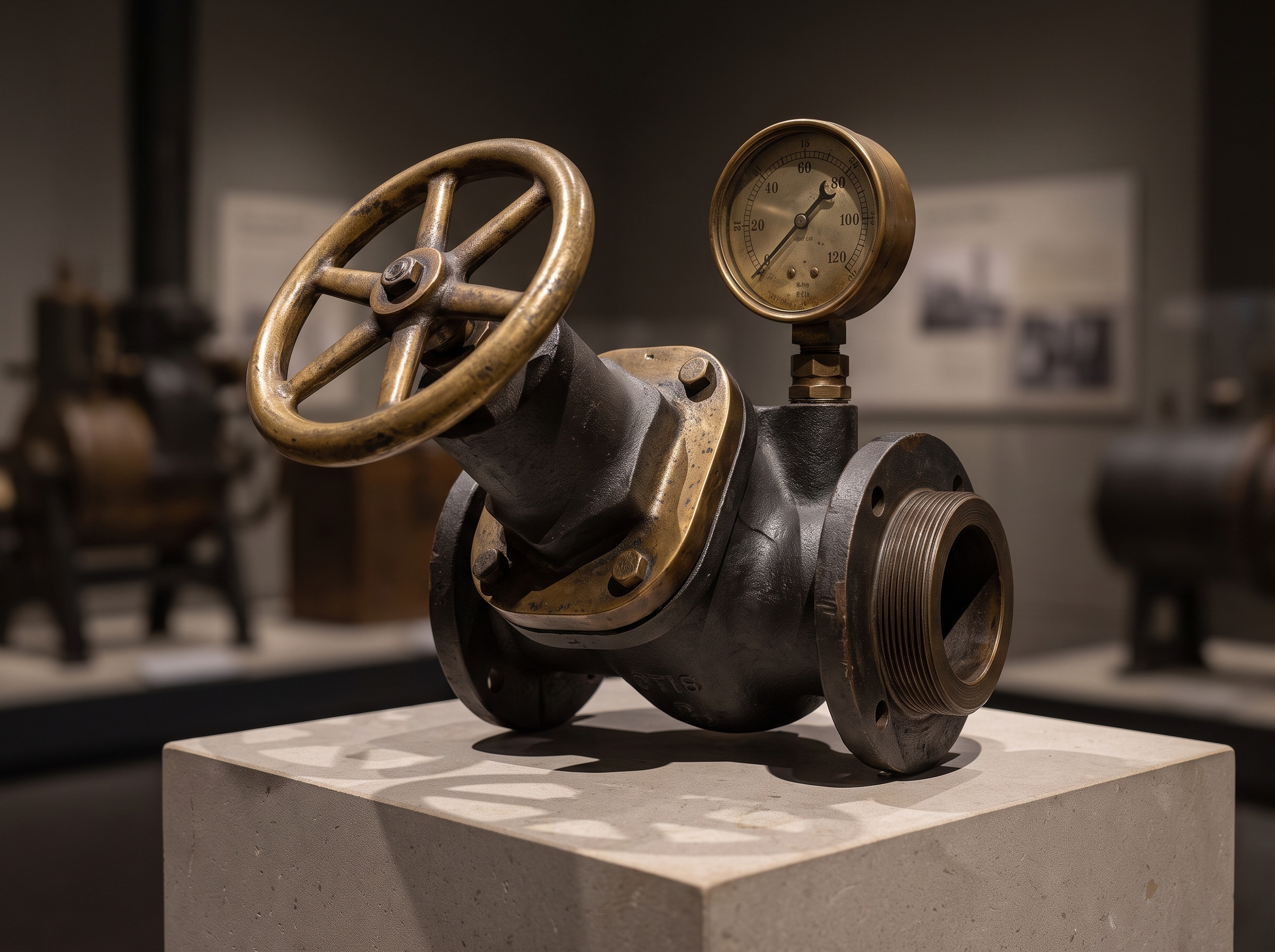
- Piston-driven lifts filled with water, used by Eiffel to raise or lower the massive tower legs to align them perfectly at the first platform.
- galerie des machines
- A massive glass-and-iron exhibition hall at the 1889 Fair, featuring an unprecedented 111-meter span of three-hinged arches.