Galerie des Machines
Curated by Elian • Building the Eiffel Tower from 18,038 Iron Parts
Definition
A massive glass-and-iron exhibition hall at the 1889 Fair, featuring an unprecedented 111-meter span of three-hinged arches.
In Context
The 1889 Exposition Universelle provided a vital geopolitical asset for the French Third Republic, which was struggling to find stability after the humiliation of the Franco-Prussian War. By hosting the fair on the centennial of the 1789 French Revolution, the government sought to demonstrate that France remained a leading global power of science and industry. Erected as the grand entrance arch to the fairgrounds, the monument acted as a soaring gateway that channeled visitors toward the massive Galerie des Machines at the opposite end of the Champ de Mars. This enormous exhibition hall featured a 111-meter span of three-hinged iron arches, demonstrating a parallel mastery of horizontal space.
Primary Source
Building the Eiffel Tower from 18,038 Iron Parts
An engineering and cultural autopsy of the 7,300-ton puddle iron latticework of the Eiffel Tower, the centerpiece of the 1889 World's Fair in Paris.
Read Study (21 min) →Artifacts
Glossary
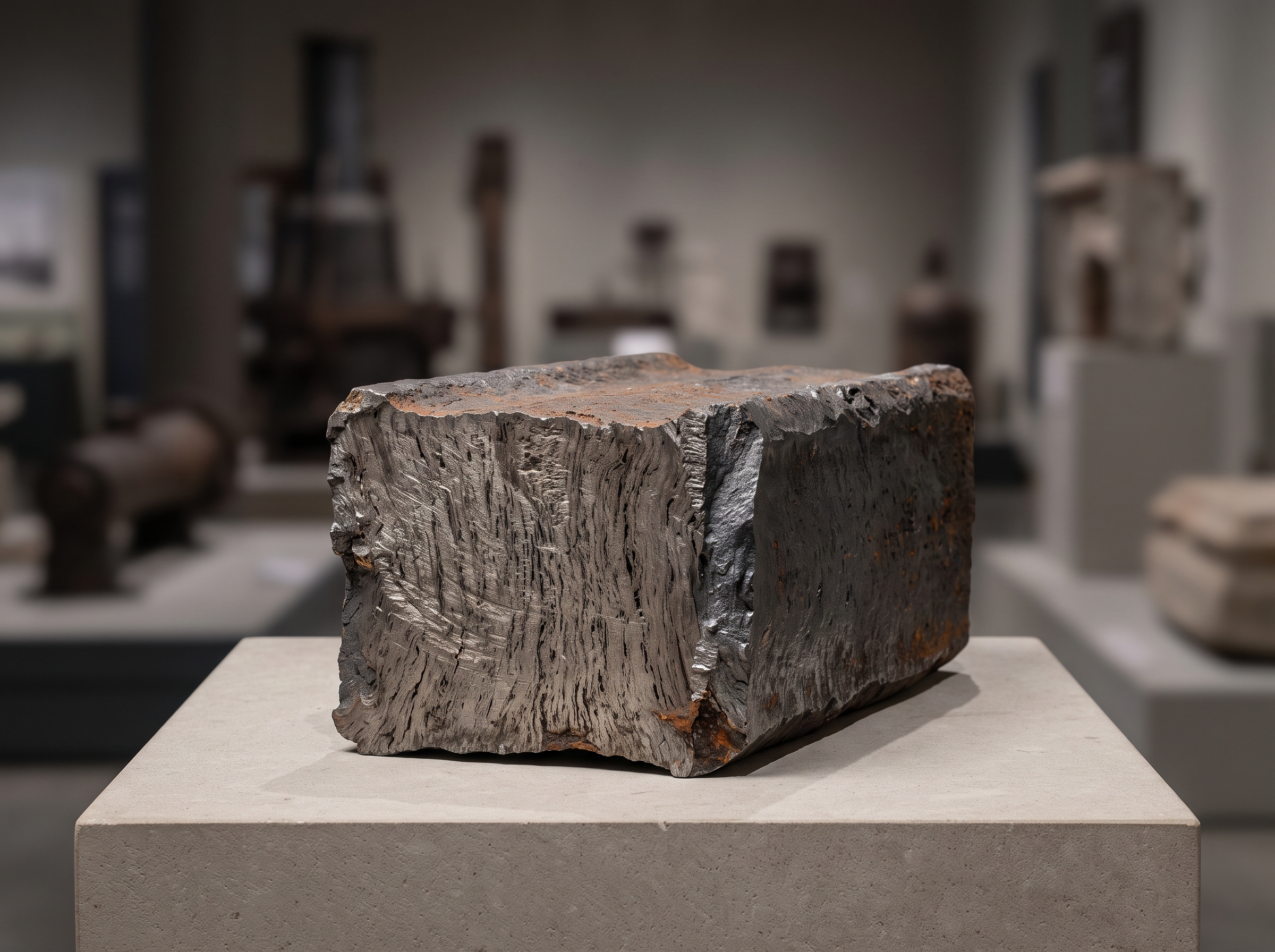
- puddle iron
- Cast iron refined in a reverberatory furnace where air is stirred into the molten metal, oxidizing carbon to produce a low-carbon, highly flexible iron with high tensile strength.
- exposition universelle
- The 1889 World's Fair hosted in Paris to celebrate the centennial of the French Revolution and showcase French industrial power.
- reverberatory furnace
- A furnace where fuel is burned in a separate chamber, and the heat and flames are reflected downward onto the metal being melted, separating it from fuel contaminants.
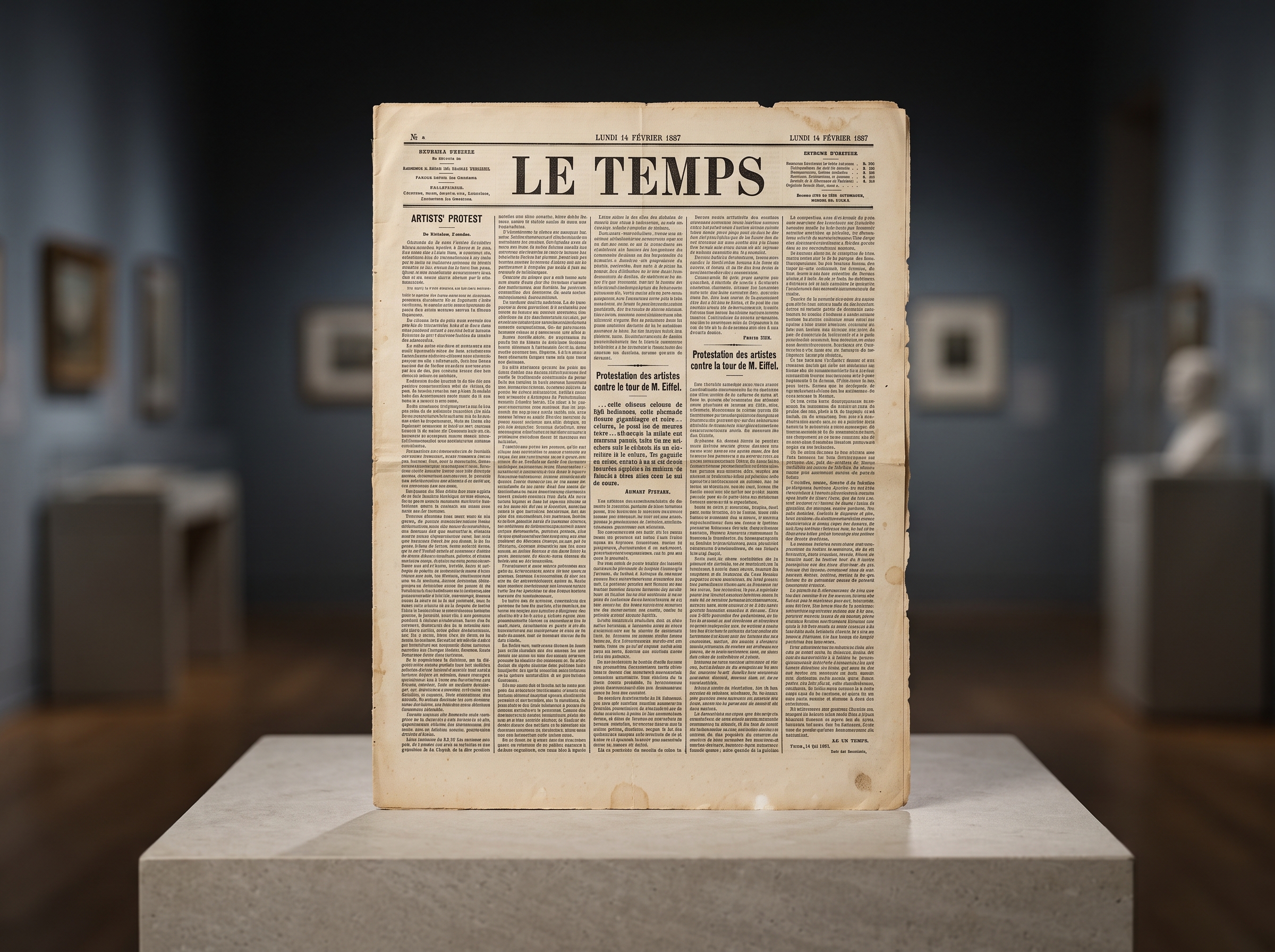
- artists' protest
- A high-profile public petition signed by Paris's cultural elite protesting the construction of the tower as an aesthetic stain.
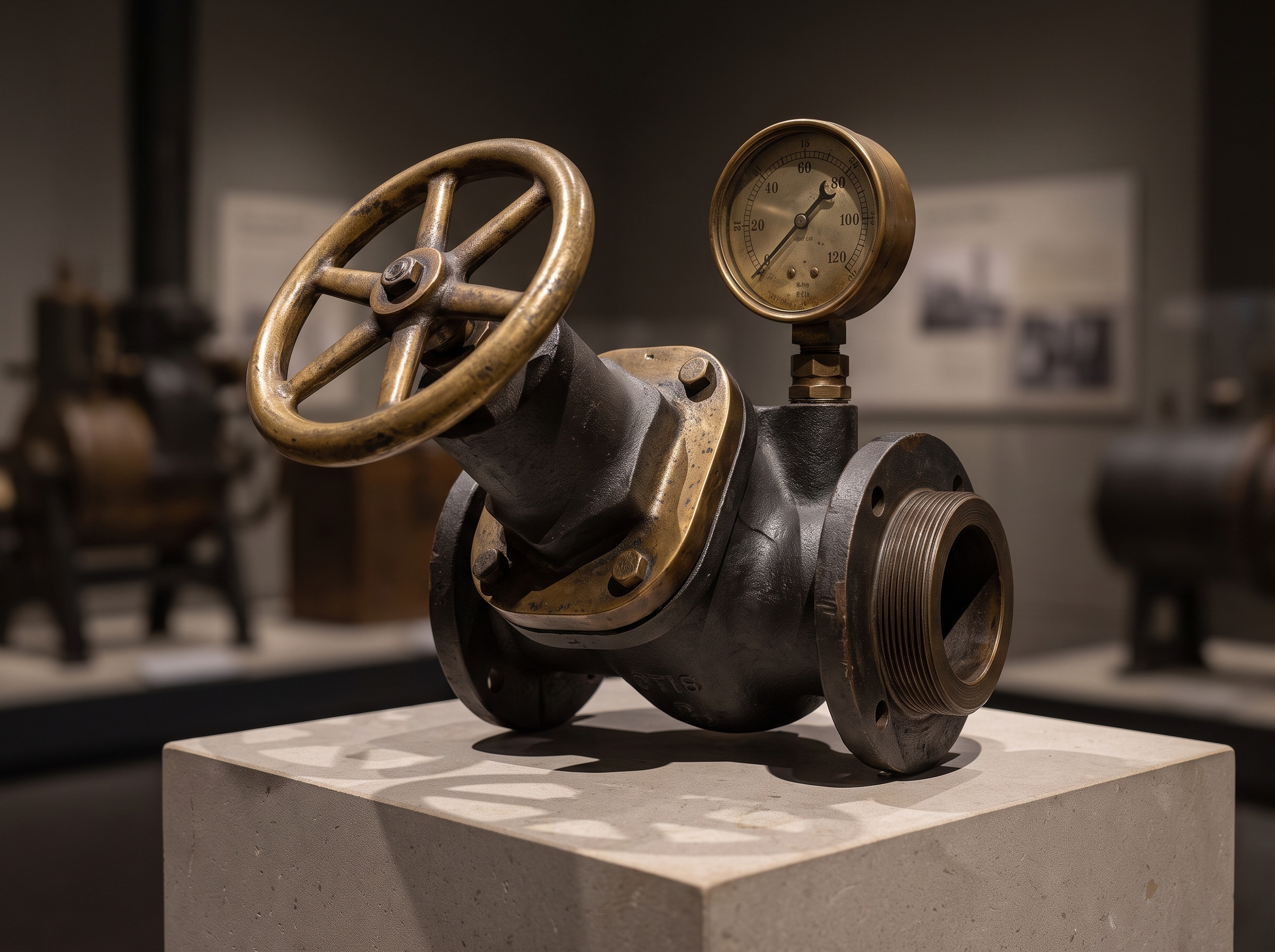
- hydraulic jacks
- Piston-driven lifts filled with water, used by Eiffel to raise or lower the massive tower legs to align them perfectly at the first platform.