Hydraulic Jacks
Curated by Elian • Building the Eiffel Tower from 18,038 Iron Parts
Definition
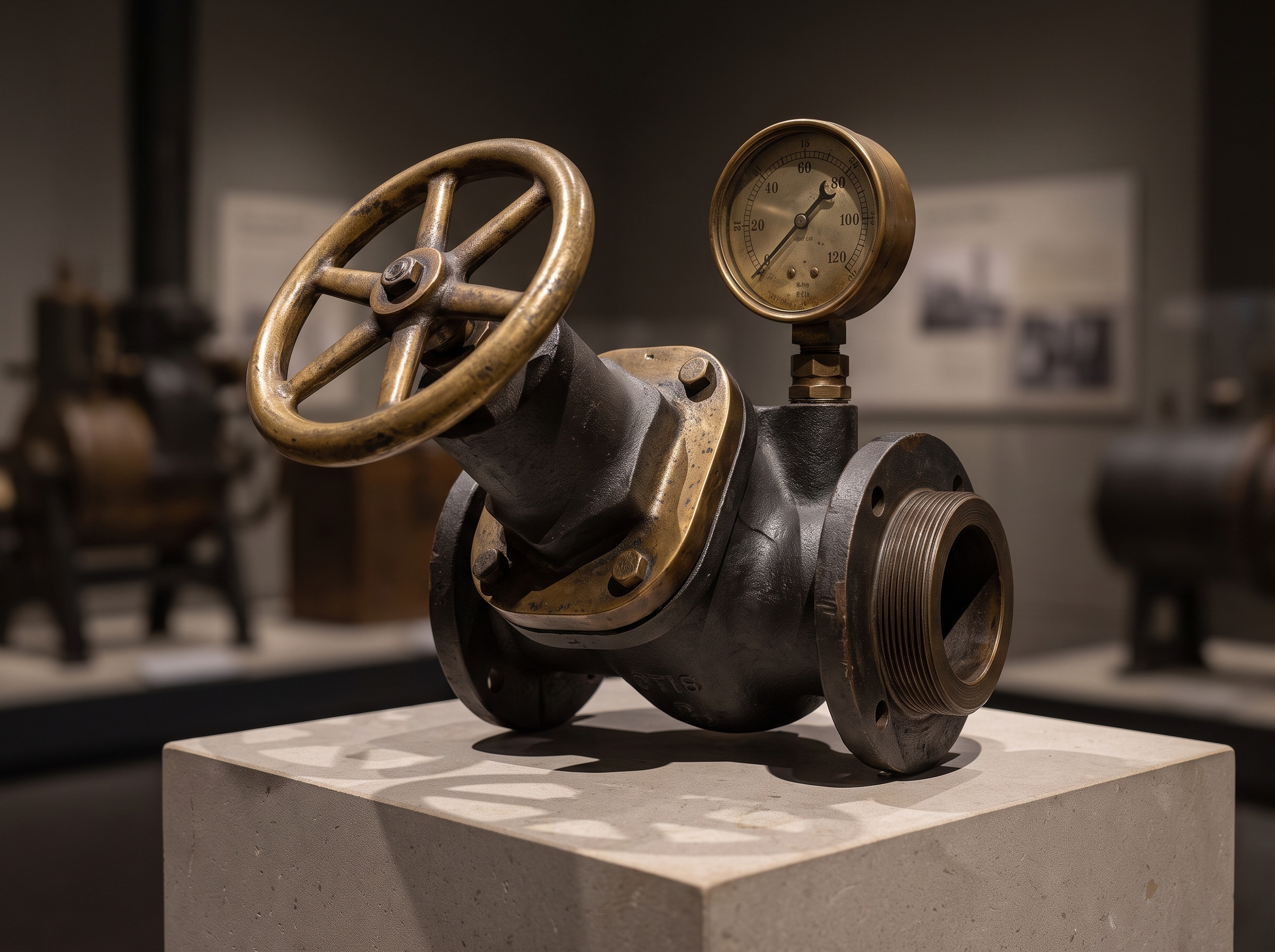
Piston-driven lifts filled with water, used by Eiffel to raise or lower the massive tower legs to align them perfectly at the first platform.
In Context
To achieve this alignment, Eiffel utilized hydraulic jacks filled with water, capable of lifting up to 800 tonnes each. These jacks sat beneath the iron shoes of each leg, allowing engineers to raise or lower individual pillars with extreme precision. Workers also packed metal sandboxes with dry, fine sand, placing them beneath the temporary scaffolding. By slowly draining small amounts of sand through holes in the boxes, they lowered the heavy iron trusses onto their final resting points until they met perfectly. This delicate operation occurred on December 7, 1887, proving that Eiffel's field assembly methods were flawless.
Primary Source
Building the Eiffel Tower from 18,038 Iron Parts
An engineering and cultural autopsy of the 7,300-ton puddle iron latticework of the Eiffel Tower, the centerpiece of the 1889 World's Fair in Paris.
Read Study (21 min) →Artifacts
Glossary
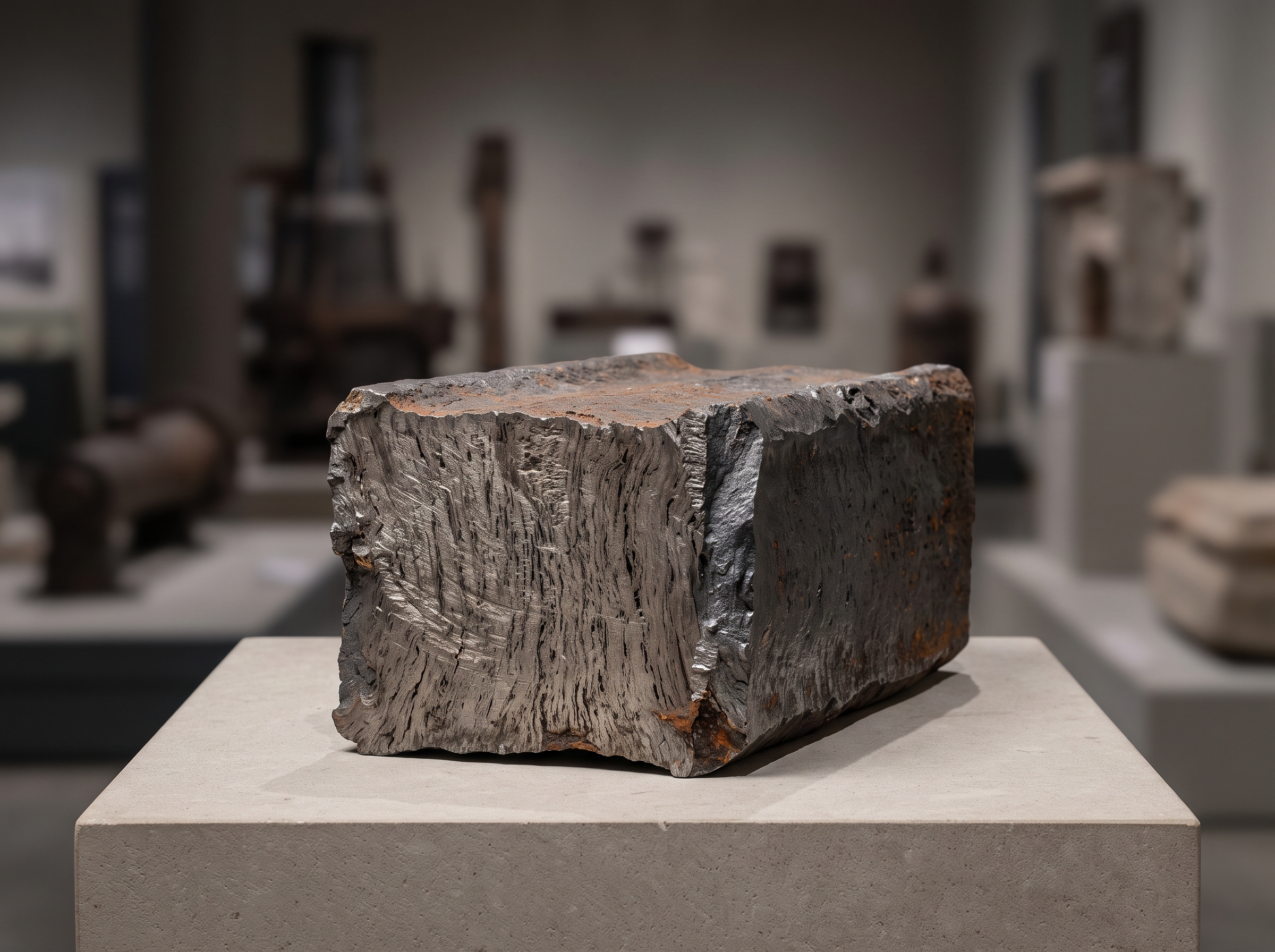
- puddle iron
- Cast iron refined in a reverberatory furnace where air is stirred into the molten metal, oxidizing carbon to produce a low-carbon, highly flexible iron with high tensile strength.
- exposition universelle
- The 1889 World's Fair hosted in Paris to celebrate the centennial of the French Revolution and showcase French industrial power.
- reverberatory furnace
- A furnace where fuel is burned in a separate chamber, and the heat and flames are reflected downward onto the metal being melted, separating it from fuel contaminants.
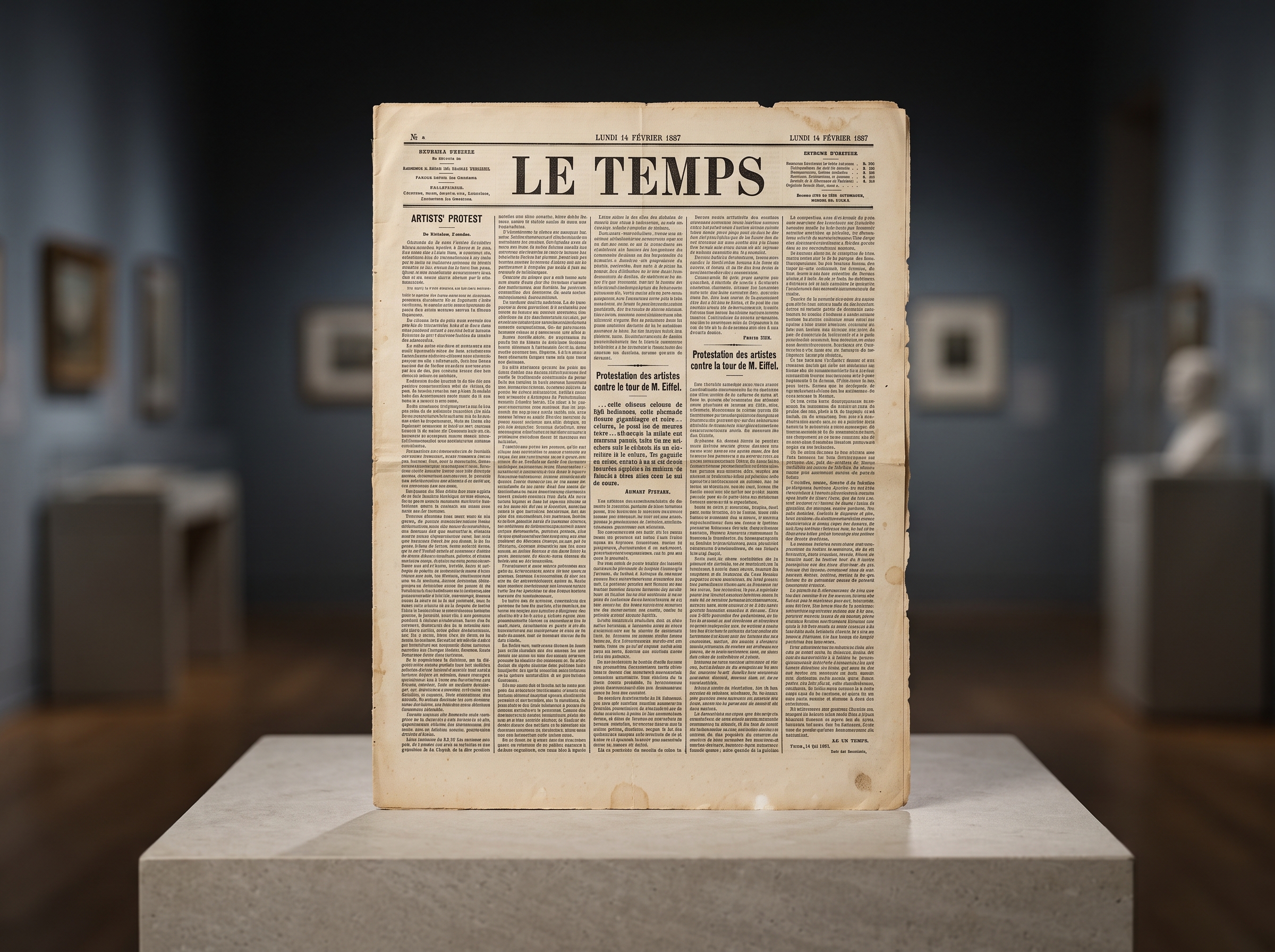
- artists' protest
- A high-profile public petition signed by Paris's cultural elite protesting the construction of the tower as an aesthetic stain.
- galerie des machines
- A massive glass-and-iron exhibition hall at the 1889 Fair, featuring an unprecedented 111-meter span of three-hinged arches.