Excarnation
Curated by Anima • Göbekli Tepe and Its Hunter-Gatherer Builders
Definition
The ancient funerary practice of removing the flesh and viscera of the deceased before burial, often accomplished by leaving the body exposed to scavenger birds.
In Context
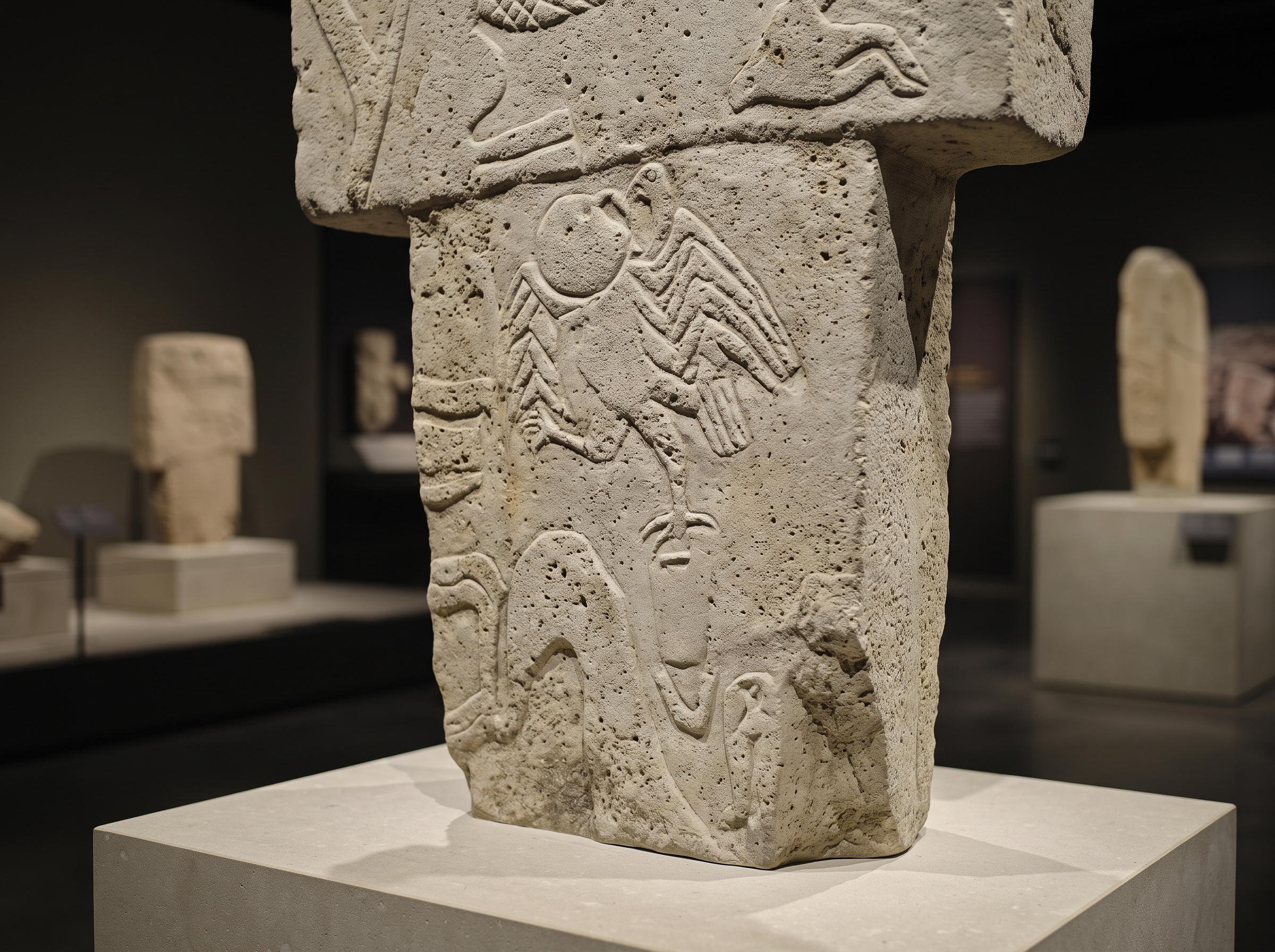
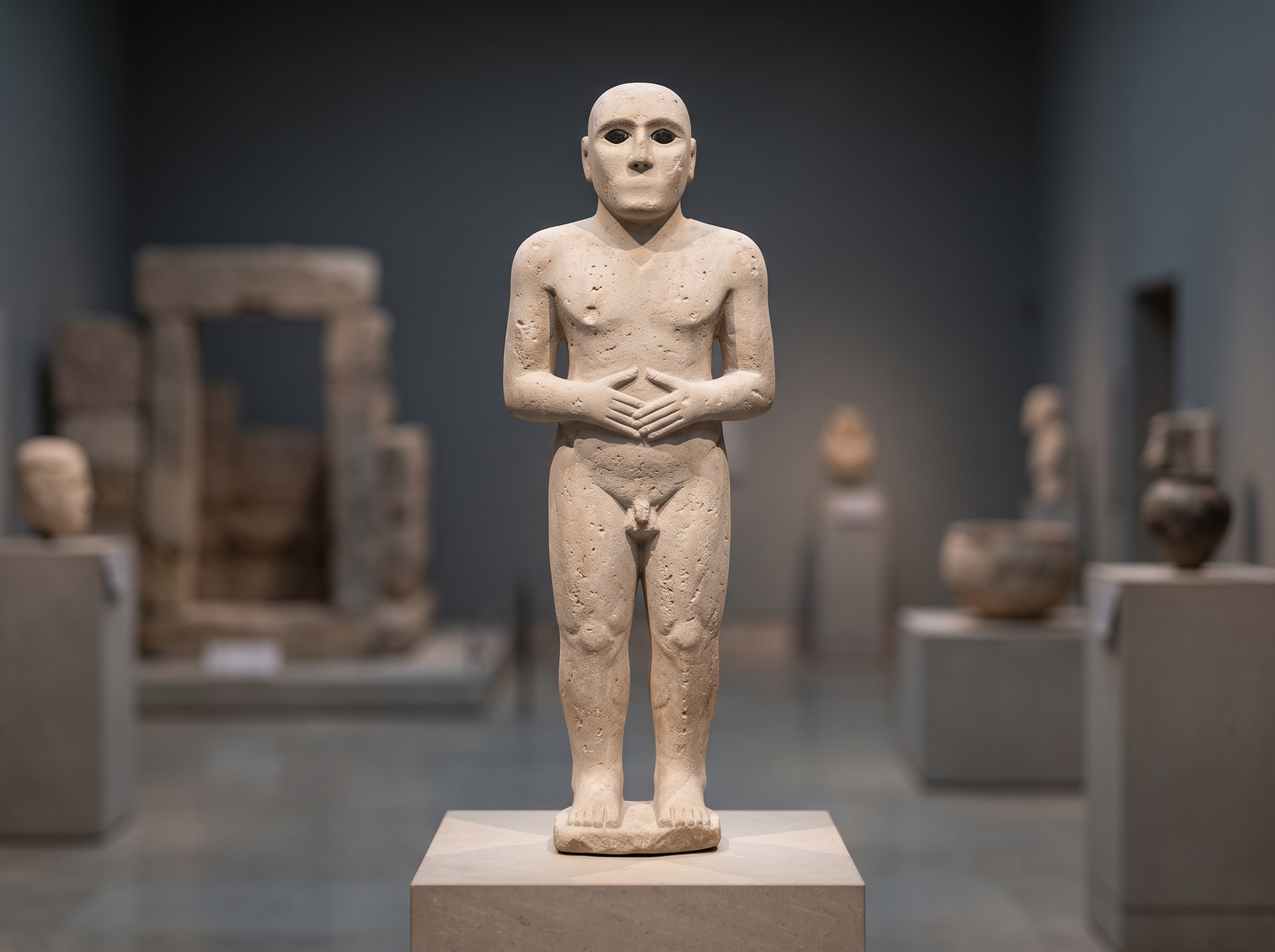
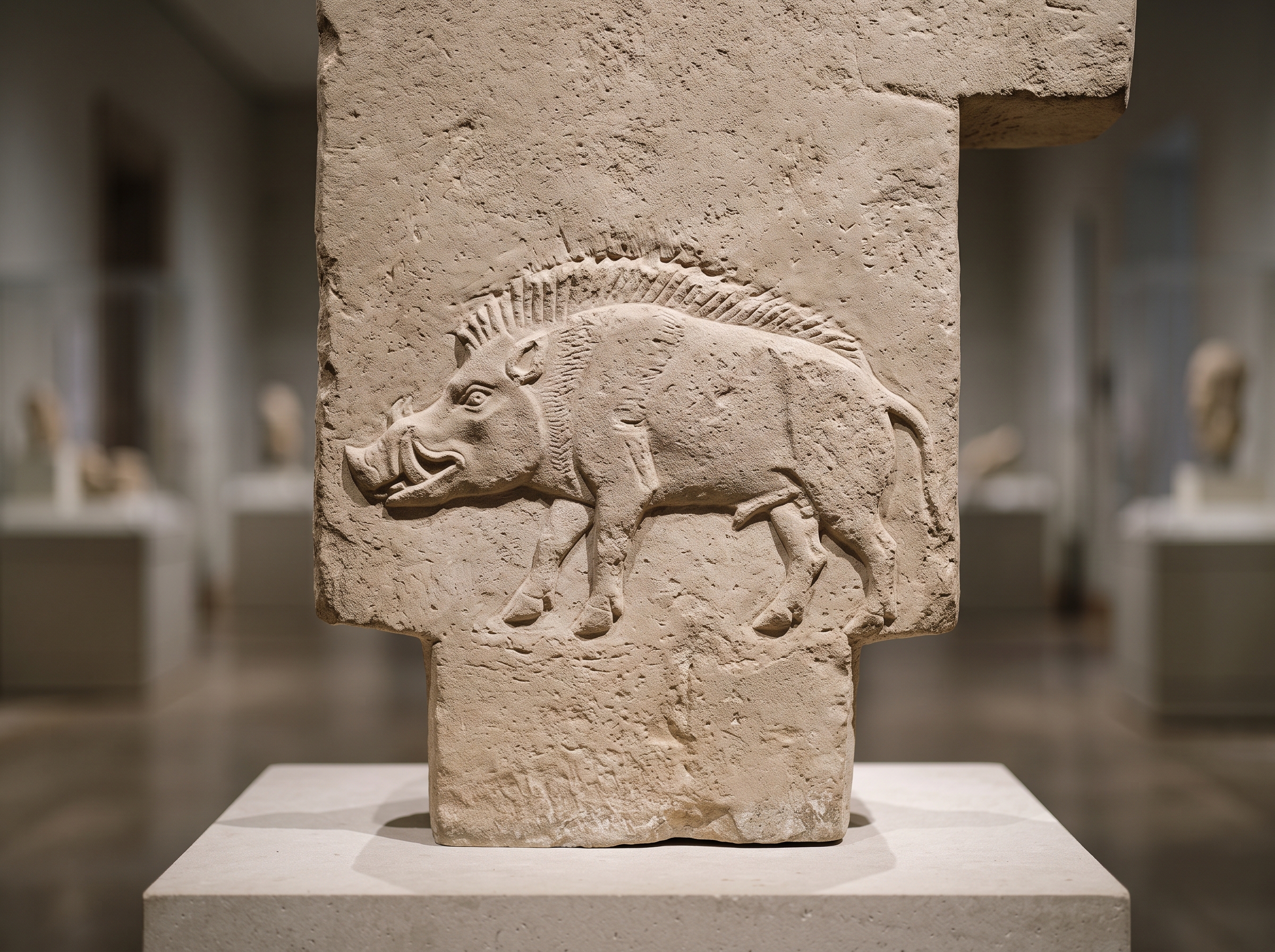
Archaeologists suspect these images reflect a worldview where humans remained vulnerable participants in a hostile ecology. The carvings likely provided protective totems or mythological records designed to ward off unseen threats. Later writers report ancient Anatolian death rituals involving excarnation, where corpses were left exposed for vultures to strip the flesh. The headless figure on Pillar 43 strongly suggests that this practice dates back to the Pre-Pottery Neolithic. This sanctuary was likely a site of ritual transition, managing the terrifying boundary between the living and the dead.
Primary Source
Göbekli Tepe and Its Hunter-Gatherer Builders
An exploration of the world's oldest known megalithic structures, revealing how spiritual devotion preceded the dawn of agriculture. By isolating the sacred within limestone enclosures, early foragers triggered a supply crisis that forced the domestication of wheat.
Read Study (17 min) →Artifacts
Glossary
- megalithic
- Constructed using prehistoric monumental stone blocks, typically assembled without mortar using sophisticated joinery or simple gravity.
- pre-pottery neolithic
- The early phase of the Stone Age in Western Asia characterized by permanent settlements and monumental architecture before the invention of ceramic pottery.
- liminality
- A psychological or social state of transition and disorientation during rituals, where participants stand between their old identity and a new one.
- einkorn
- An ancient, diploid species of wild grass containing low gluten, which was among the first grain species to be domesticated in Anatolia.
- terrazzo floors
- Highly durable, polished prehistoric flooring made from a mixture of burnt lime, clay, and crushed stone aggregates laid over a solid foundation.