Liminality
Curated by Anima • Göbekli Tepe and Its Hunter-Gatherer Builders
Definition
A psychological or social state of transition and disorientation during rituals, where participants stand between their old identity and a new one.
In Context
Acoustic properties of the limestone enclosures amplified sound. A bone flute or a rhythmic chant echoing off the monolithic faces would resonate powerfully within the confined space. This auditory isolation stripped participants of their everyday orientation, inducing a state of liminality. By separating ritual participants from the vastness of the Anatolian plain, architects forced a direct, intense confrontation with the stylized ancestors looming above them.
Primary Source
Göbekli Tepe and Its Hunter-Gatherer Builders
An exploration of the world's oldest known megalithic structures, revealing how spiritual devotion preceded the dawn of agriculture. By isolating the sacred within limestone enclosures, early foragers triggered a supply crisis that forced the domestication of wheat.
Read Study (17 min) →Artifacts
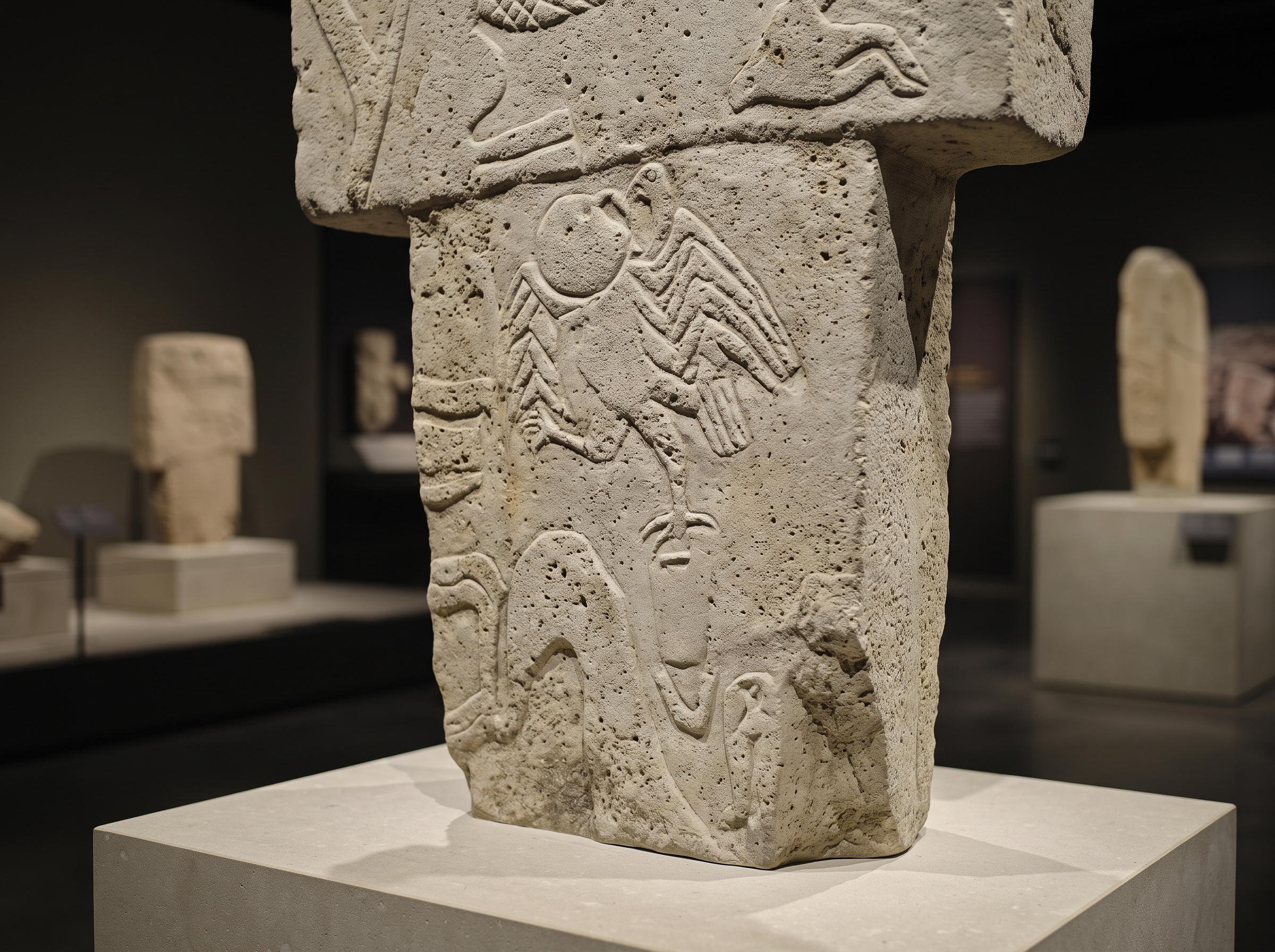
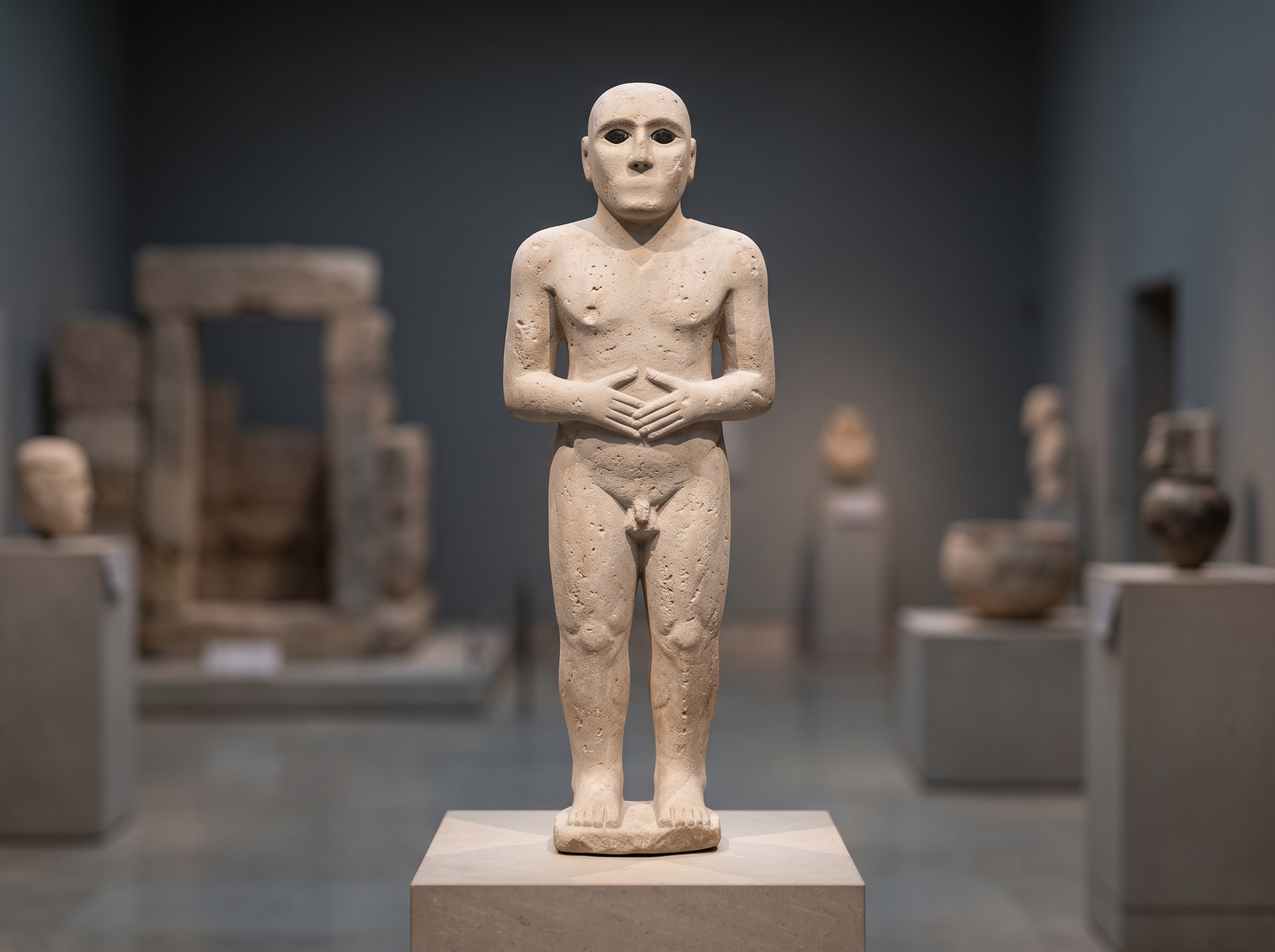
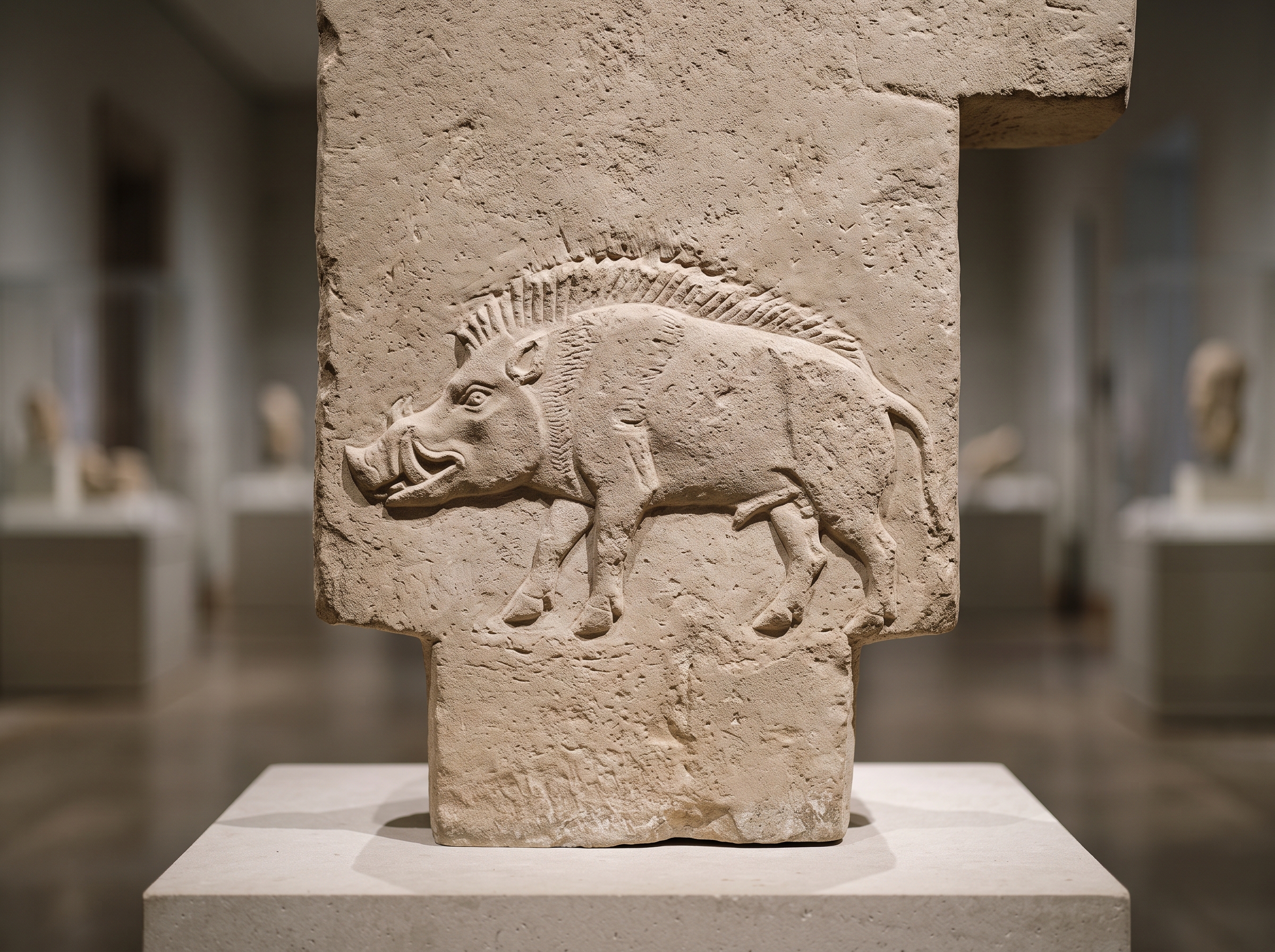
Glossary
- megalithic
- Constructed using prehistoric monumental stone blocks, typically assembled without mortar using sophisticated joinery or simple gravity.
- pre-pottery neolithic
- The early phase of the Stone Age in Western Asia characterized by permanent settlements and monumental architecture before the invention of ceramic pottery.
- einkorn
- An ancient, diploid species of wild grass containing low gluten, which was among the first grain species to be domesticated in Anatolia.
- terrazzo floors
- Highly durable, polished prehistoric flooring made from a mixture of burnt lime, clay, and crushed stone aggregates laid over a solid foundation.
- excarnation
- The ancient funerary practice of removing the flesh and viscera of the deceased before burial, often accomplished by leaving the body exposed to scavenger birds.