Megalithic
Curated by Anima • Göbekli Tepe and Its Hunter-Gatherer Builders
Definition
Constructed using prehistoric monumental stone blocks, typically assembled without mortar using sophisticated joinery or simple gravity.
In Context
Less than 20 miles from the site lies the Karaca Dağ mountain range. Genetic analysis has traced the DNA of modern domesticated wheat back to a single strain of wild einkorn grass native to these specific slopes. The correlation is not a coincidence. Laborers at Göbekli Tepe required grain to sustain the grueling labor of megalithic construction.
Primary Source
Göbekli Tepe and Its Hunter-Gatherer Builders
An exploration of the world's oldest known megalithic structures, revealing how spiritual devotion preceded the dawn of agriculture. By isolating the sacred within limestone enclosures, early foragers triggered a supply crisis that forced the domestication of wheat.
Read Study (17 min) →Artifacts
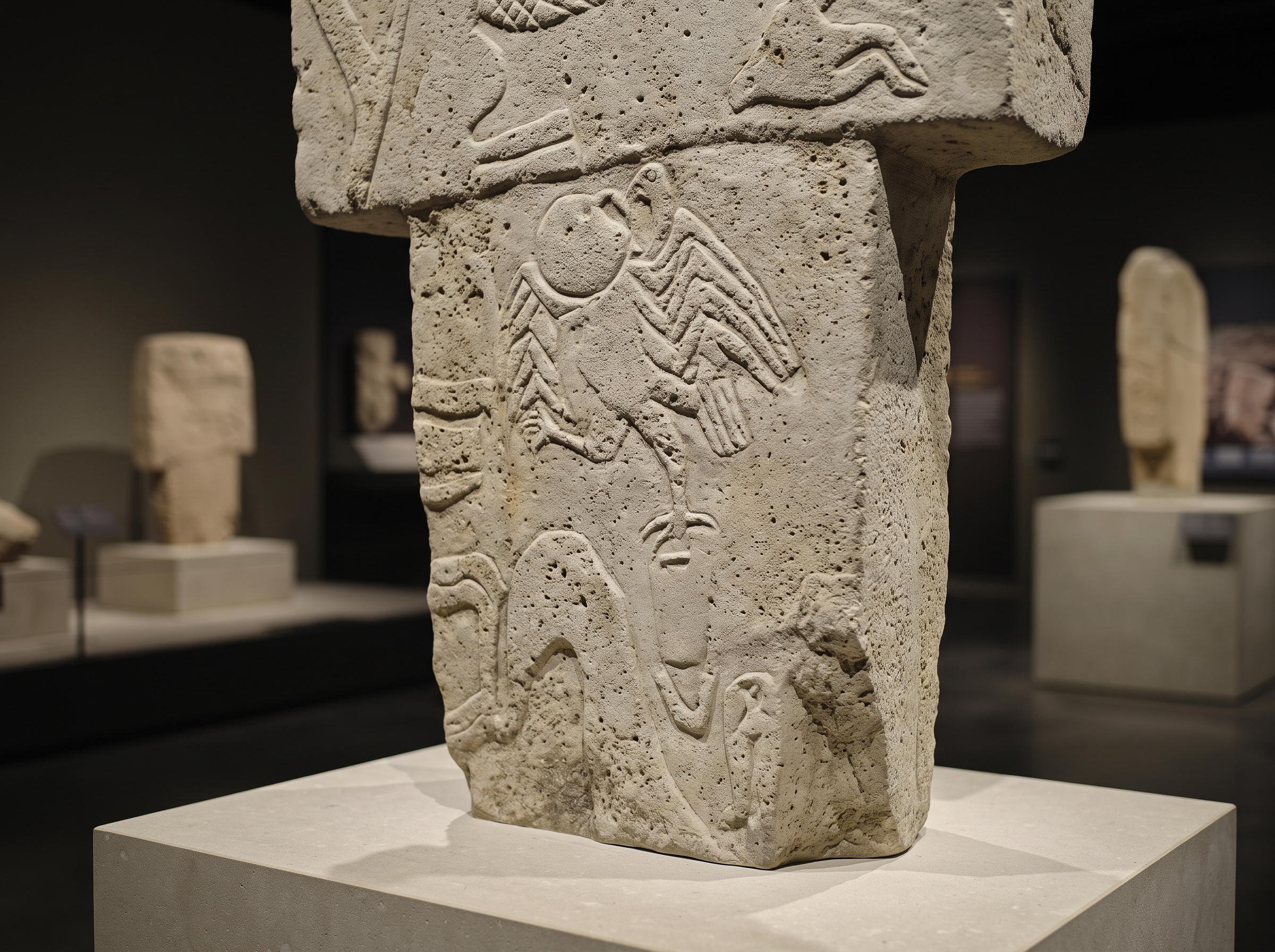

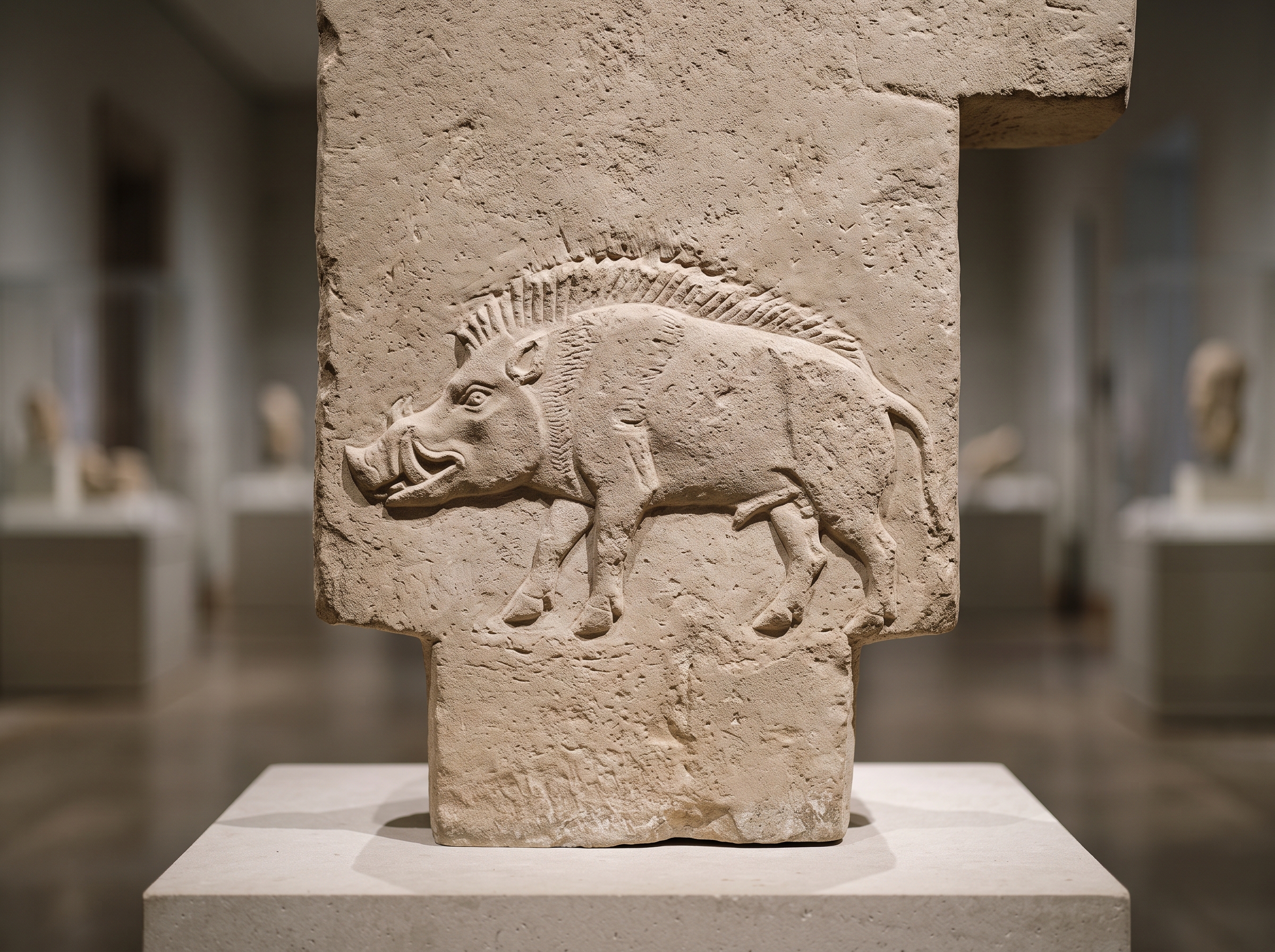
Glossary
- pre-pottery neolithic
- The early phase of the Stone Age in Western Asia characterized by permanent settlements and monumental architecture before the invention of ceramic pottery.
- liminality
- A psychological or social state of transition and disorientation during rituals, where participants stand between their old identity and a new one.
- einkorn
- An ancient, diploid species of wild grass containing low gluten, which was among the first grain species to be domesticated in Anatolia.
- terrazzo floors
- Highly durable, polished prehistoric flooring made from a mixture of burnt lime, clay, and crushed stone aggregates laid over a solid foundation.
- excarnation
- The ancient funerary practice of removing the flesh and viscera of the deceased before burial, often accomplished by leaving the body exposed to scavenger birds.